
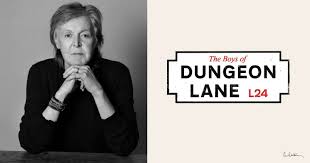
At this point, reviewing a new Paul McCartney release feels a little ridiculous. Not because he doesn’t deserve criticism.
Because the man has spent roughly six consecutive geological eras redefining popular music while the rest of us struggle to remember why we walked into the kitchen. And somehow, against all reasonable expectations, he still sounds creatively restless.
That’s the surprising thing about The Boys of Dungeon Lane. This is not an album built by nostalgia alone. Sure, the fingerprints are there. The melodic instincts. The emotional chord changes. The strange ability McCartney has to make melancholy sound oddly comforting. But the album never feels trapped trying to recreate 1967 with slightly better microphones.
Instead, it sounds like an artist reflecting on time without completely surrendering to it. That distinction matters.
A lot of legacy artists eventually fall into one of two traps:
- pretending they’re still twenty seven
- or making records so painfully self reflective they sound like audiobook chapters from a retirement seminar
McCartney somehow avoids both. His ability to keep up with the times while being distinctly “McCartney” is a testament to his enduring talent.
The title track, “Days We Left Behind,” carries that bittersweet emotional weight he has always understood better than almost anybody in rock history. The arrangement stays restrained enough to let the melody breathe, which is important because McCartney’s greatest superpower has never really been complexity. It’s emotional accessibility.
The man can write melodies that feel like they’ve existed forever. Remember Ham and Eggs?That’s rare. And honestly kind of annoying for the rest of humanity.
There are moments throughout the album where you can hear echoes of every era of his career without the record collapsing into self parody. Some tracks lean into stripped back acoustic warmth. Others flirt with orchestral textures. A few carry subtle modern production touches without sounding like somebody forced Paul McCartney to listen to twelve hours of algorithmic pop playlists at gunpoint. Thankfully, we don’t have to search for it. He gives it to us without asking.
Vocally, there’s an honesty here that works in the album’s favor. McCartney no longer sings with the effortless range of his younger years, but that actually adds emotional gravity to several songs. The cracks, wear, and fragility occasionally make the performances hit harder. Because time is part of the story now. The man isn’t chasing his youth and the album understands that.
One of the more impressive aspects of Days We Left Behind is how unhurried it feels. Modern records often behave like they’re terrified listeners might become distracted by a cat video after fourteen seconds. McCartney still trusts pacing. He allows songs to unfold naturally instead of shoving every hook into the first chorus like musical panic attacks.That confidence comes from experience. Or possibly from being Paul McCartney and realizing you no longer need permission from literally anyone.
The instrumentation throughout the album also deserves attention. The bass work remains deceptively melodic, subtle piano textures float underneath several tracks beautifully, and the arrangements avoid the overproduced clutter that infects too many modern releases. There’s space in the air for it to breathe. HUMAN breathing room.
Ironically, that warmth makes the album feel more contemporary emotionally than many younger artists trying desperately to sound current. That’s why so many younger artists would die to record with him.
Lyrically, the record circles memory, change, loss, gratitude, and resilience without becoming unbearably sentimental. That’s a difficult balancing act. Songs about aging can either become profound or sound like somebody reading inspirational quotes off decorative kitchen signs. We don’t need a reminder that we are getting older. The snaps, pops, and groans in just standing serve as the background music to remind us.
McCartney stays on the right side of that line. Mostly because he understands restraint.
The album never screams: “THIS IS IMPORTANT.” It simply exists with quiet confidence. And maybe that’s why it works.
At this stage of his career, McCartney isn’t chasing trends, fighting for relevance, or trying to convince audiences he still matters. He already became part of the architecture of modern music decades ago.Now he just sounds like somebody still curious enough to keep writing songs anyway.
That may be the most rock and roll thing left.
Note: opinions and musings here do not necessarily represent those of the management, staff, or anybody that matters. But, what do you care? You’re lucky you’re still able to find your glasses to read this. BTW they’re on your head dufus.