
For about fifteen years, the music industry acted like experience was a disease.
Everything had to be:
- younger
- faster
- shorter
- louder
- trendier
- optimized for scrolling while somebody simultaneously ordered tacos and ignored their roommate
Meanwhile, something funny happened. The audiences with the most disposable income quietly kept buying concert tickets. And not just buying them. Absolutely annihilating box office records.
Look at the biggest tours dominating the conversation recently:
- Coldplay
- Beyoncé
- Oasis
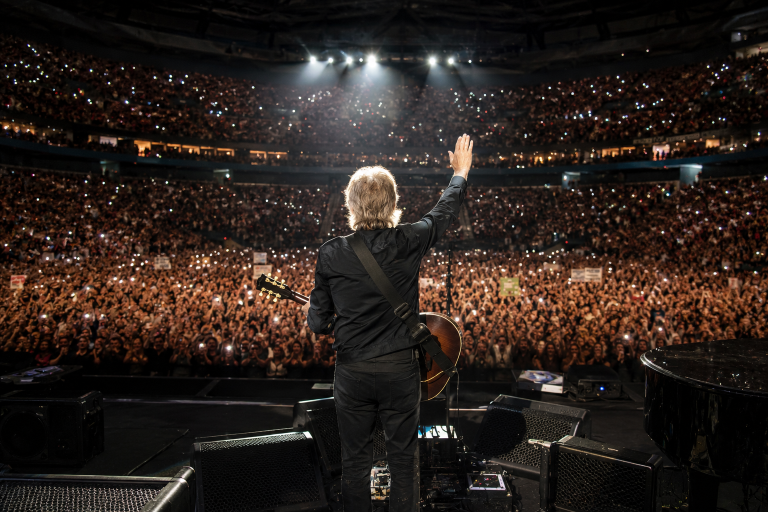
- Paul McCartney
- Bruce Springsteen
- Iron Maiden
- The Rolling Stones
- U2
- Even a little known artist named Taylor Swift (she qualifies as a Master now, get over it)
The industry keeps trying to convince itself that legacy artists are “nostalgia acts.” Really?
Because nostalgia acts apparently keep selling out stadiums while charging enough money for floor seats to require discussions with financial advisors.
According to Billboard and Pollstar reporting, legacy and heritage artists continue dominating global touring revenue, with acts like Coldplay, Oasis, Iron Maiden, U2, and The Rolling Stones remaining among the largest touring draws in the world.
And here’s the part that makes music executives nervously adjust their expensive sneakers: The people spending the money are older. Shocking discovery. Turns out fifty five year olds with careers, retirement accounts, and functioning credit cards can buy more tickets than a nineteen year old surviving on energy drinks and unresolved trauma.
Who could have predicted this completely unforeseeable development?
For years, the industry obsessed over youth demographics because advertisers love younger audiences. But younger audiences stream more and spend less. Older audiences buy:
- premium tickets
- VIP experiences
- vinyl
- merch
- travel packages
- memberships
- collector editions
- signed memorabilia
They also tend to actually finish albums instead of abandoning songs twelve seconds in because a dancing raccoon appeared on another app.
Legacy artists matter again because audiences are starving for authenticity. Not “market tested authenticity.” Not “carefully branded vulnerability.” Not “a record label pretending somebody wrote a song alone in their bedroom that actually required fourteen producers and a PowerPoint presentation.” Real authenticity. Artists who survived decades (McCartney has over six of them). Artists who evolved. Artists with scars. Artists who still know how to command a stage without needing explosions every nine seconds to maintain attention spans damaged by modern technology.
Surprising to nobody, a lot of younger fans are discovering these artists now too. Because musicianship ages well. Songs age well. Personality ages well. The algorithm era accidentally created a strange side effect: people became exhausted by disposable culture.
Every week brings:
- new viral artists
- new trends
- new microgenres
- new industry saviors
- new “future of music” declarations
Then three weeks later everybody collectively moves on like nothing happened. Meanwhile, legacy artists keep showing up with catalogs that survived generations. That matters.
You know what happens when a twenty five year old discovers Fleetwood Mac, Pink Floyd, or Tom Petty for the first time? They usually don’t say: “This sounds old.” They say: “Why the hell is this so good?” Why? Because these were the kids twenty years ago strapped in their car seats listening to the CDs of their parents. They grew up on this shit. They know the f’ing lyrics!
Because great music does not expire. The industry just occasionally acts like it does because quarterly earnings reports have the emotional depth of a microwave instruction manual.
And this is exactly why platforms like Masters Radio matter now. The industry spent years chasing temporary attention. Fans are starting to chase permanence again. They want artists with history, context, storytelling, albums, craftsmanship, imperfection, and humanity. You know, all the things the self help books are trying to convince us that we already have. And yet, the psychologists aren’t going out of business.
In other words: everything the algorithm accidentally pushed into the background while trying to maximize engagement statistics. Turns out people still want music made by people.
Crazy concept.